7 DevOps Tools You Actually Need to Learn in 2026
Apr 12, 2026
Look, back in 2019, I spent three solid weeks piecing together a full EKS-like Kubernetes cluster from scratch on AWS. I was messing around with kubeadm, Terraform, and Ansible, and the end result was this incredibly fragile mess that just kept breaking. Looking back, I obviously should have just gone with managed EKS from the start. It would have saved me so many sleepless nights hunched over my laptop in my Amsterdam apartment. But nope, I was way too stubborn to admit defeat.
Over my 14 years climbing the ladder from SysAdmin to SRE, man, I’ve watched us overcomplicate our toolchains to an absurd degree. The honest truth? You don’t need to master 50 different tools to land a great job. Just get a rock-solid grip on a handful of the right ones, and you are golden.
1 & 2. Terraform (v1.5+) and Ansible
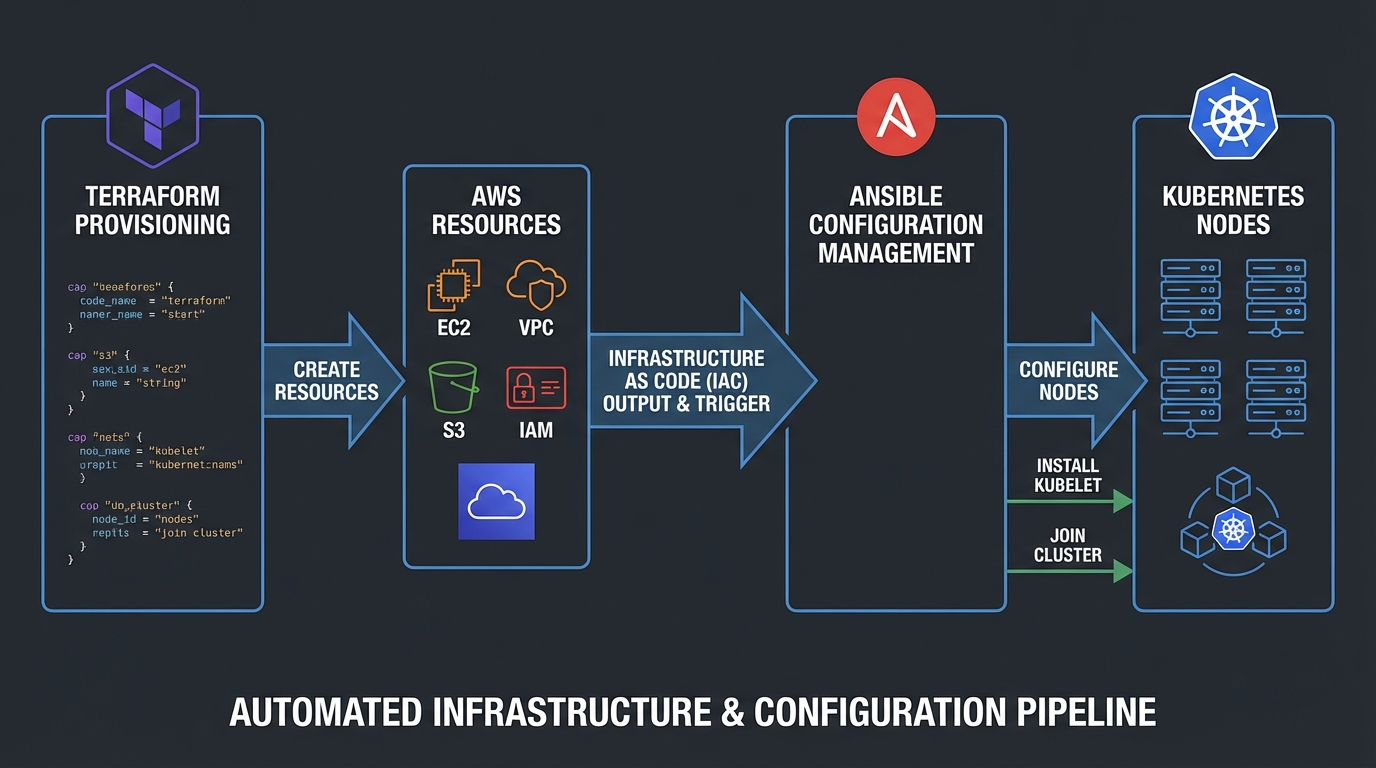
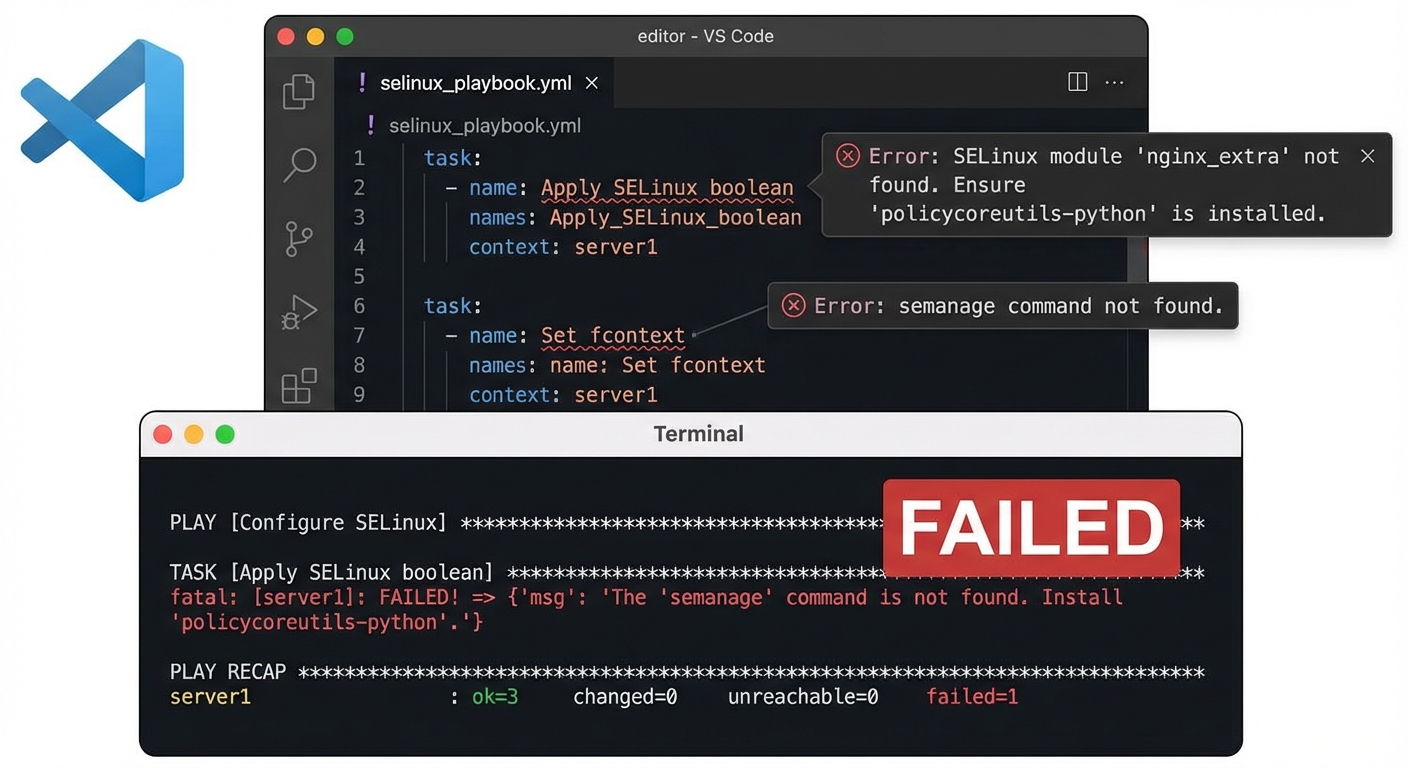
These two are basically my bread and butter, so I almost always group them together in my head. When I was building that custom K8s cluster I mentioned, I used Ansible to handle all the node config. Fun fact: I wasted days fighting with SELinux policies because I was convinced they were absolutely mandatory for compliance. Turns out, even in that high-security fintech environment I was working in, we didn’t actually need them. We ended up literally just running sed -i 's/enforcing/disabled/g' /etc/selinux/config. Hours of my life, poof—just gone forever.
I’m still not entirely sure why I was so obsessed with doing everything the “proper” way back then. Honestly, it was probably just imposter syndrome. But seriously, using Terraform (specifically v1.5 or newer) for your infrastructure and Ansible for your configuration is a combo that just flat-out works. You can automate pretty much anything if you have those two in your back pocket.
3. EKS (Elastic Kubernetes Service)
Managing your own control plane these days? Honestly, it feels like a total vanity project. Save yourself the headache and just learn EKS. Yeah, I know it has these incredibly quirky CNI issues—like how tiny subnets just won’t work out of the box because of IP exhaustion. But regardless of its quirks, it’s the industry standard now, whether we like it or not.
4. Jenkins
I can already hear the collective groans. Trust me, I know Jenkins is clunky as hell, and writing in its Groovy syntax annoys the absolute crap out of me. But go take a look at the job boards in the Netherlands right now—or anywhere else, for that matter. Being able to write a solid, declarative Jenkinsfile will still get you through the vast majority of tech screens without a problem.
I know this veers off-topic a bit, but bear with me. I was recently watching the DevOps Career Roadmap course—specifically Lesson 5 on CI/CD and mastering interviews—and it really hit me how bad most of us are at actually explaining our pipelines to normal human beings. Soft skills matter. They are exactly what will save your ass when a Jenkins build inevitably fails live during a stakeholder demo.
5. RHEL (Red Hat Enterprise Linux)
My RHCE bias is definitely showing big time here. Don’t get me wrong, Ubuntu is fantastic for startups. But what if you look at mid-to-large enterprises? They are all running RHEL, and there is a very good reason they pay for that enterprise support. Do yourself a favor and dig deep into how systemd really works under the hood. Trust me, that knowledge pays off massively when things inevitably go sideways at 2 AM.
6 & 7. ArgoCD and GitHub Actions
GitOps is just straight-up reality at this point. If you aren’t syncing your manifests from a repo directly into your cluster, what are you even doing? That said, I’m still genuinely unsure if Argo actually beats out Flux in the long term. We’re actually in the middle of migrating right now, and it has been a total headache trying to untangle all the RBAC configurations.
Tool fatigue hits so hard in this industry, doesn’t it? It makes me wonder… have any of you actually managed to completely kill off Jenkins at your company? Or are we all just sitting around pretending it’s still essential while secretly hoping someone else makes the call to finally pull the plug?
🎓 Ready to go deeper?
This article only scratches the surface. If you want the complete, hands-on path — from fundamentals to production-ready skills — enroll in RHCSA Bootcamp (RHEL 10) - Arabic and get structured lessons, labs, and real-world projects.